
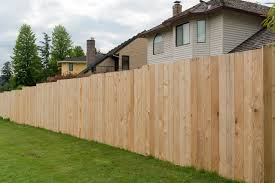
Proper care of a wood fence is crucial to keeping its natural charm intact and prolonging its durability. A high-quality sealer protects your wood fence from moisture, UV rays, and environmental damage, preventing issues like warping, cracking, and rot. While materials like an Orlando aluminum fence require different upkeep, wood fences depend heavily on proper sealing to stay strong and attractive. Here’s a guide to help you choose the best fence sealer for your wood fence.
Understand Your Wood Type
The type of wood used in your fence affects the sealer you should choose. Softwoods like pine or cedar absorb sealers differently than hardwoods. Cedar, for example, contains natural oils that offer some resistance to decay, so it may require a different sealing approach than untreated pine.
Before purchasing a sealer, identify your fence’s wood type and check if the product is compatible. Using the wrong sealer can lead to poor adhesion or ineffective protection.
Know the Different Types of Fence Sealers
Fence sealers come in several varieties, each offering unique benefits:
- Clear Sealers: These maintain the wood’s natural color while providing a protective barrier. They’re great if you want to preserve the wood’s original appearance.
- Semi-Transparent Stains: These add a hint of color while still showing the wood grain.
- Solid Stains: These offer the most color and excellent protection but hide the wood grain. They act more like paint but with better moisture resistance.
- Water-Based vs. Oil-Based Sealers: Water-based sealers dry faster and have less odor, but oil-based sealers penetrate deeper and often last longer.
Consider Weather and Climate Factors
Your local climate plays a big role in the sealer selection. If your area experiences heavy rain, high humidity, or intense sun, you need a sealer that offers strong water repellency and UV protection.
For example, in humid climates, a sealer with mildew-resistant properties helps prevent mold and algae growth on your wood fence. Conversely, in sunny regions, UV blockers prevent wood from fading and drying out.
Look for Easy Application and Maintenance
Some fence sealer require multiple coats and precise timing, while others offer easier application with one or two coats. If you prefer a quick and simple maintenance routine, look for sealers that dry fast and don’t require frequent reapplication.
Also, consider if the sealer can be applied with a brush, roller, or sprayer, depending on your preference and the size of your fence.
Check for Environmental and Safety Features
Many modern sealers are designed to be eco-friendly, with low volatile organic compounds (VOC) and reduced harmful chemicals. If you have children, pets, or environmental concerns, choosing a low-VOC or non-toxic sealer is important for safety.
Pairing with Other Fence Types
While wood fences rely on sealers to protect against moisture and sun damage, other fencing materials like an Orlando aluminum fence require different maintenance. Aluminum fences usually need cleaning and occasional touch-ups to their protective coatings but don’t need sealing like wood.
Understanding the specific needs of your fence type ensures you apply the correct maintenance method and products.
Final Thoughts
Choosing the right fence sealer is a key part of keeping your wood fence durable and beautiful year after year. Consider your wood type, climate, desired finish, ease of application, and environmental factors when selecting a sealer.
Proper sealing helps prevent common problems like rot, cracking, and discoloration, saving you money on repairs and replacements.

