
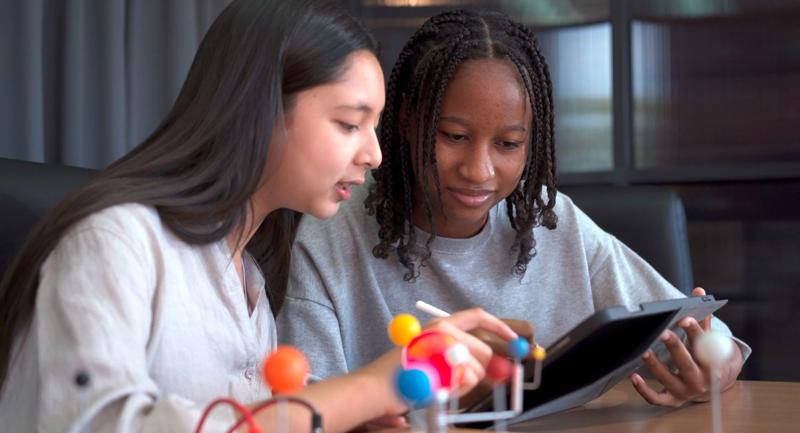
Projects in schools may help children connect ideas across subjects with greater care.
In a private primary setting, such tasks can support curiosity, class voice, and peer respect.
Here are seven project types students may encounter during the primary years in Singapore schools.
1. Inquiry-Led Class Projects
Inquiry-led projects start with a question, theme, or real class concern. Students at international primary schools in Singapore may explore ideas through research, class talk, and simple evidence. This approach can help children ask better questions and test ideas with care.
In Singapore, such projects may connect English, science, social studies, maths, art, and values. A class may study habitats, family culture, water use, or local community spaces. The focus is on thought, effort, and clear links between subjects.
2. Service Projects With Purpose
Service projects help students see how small actions can support others. A class may plan a kindness drive, care card project, or a campus clean-up task. These activities may help improve empathy, duty, and respect for shared spaces.
In Singapore, service tasks can also help children see links between class values and community life. Teachers may guide students to reflect on why an action matters. This can aid social growth as well as academic skills.
3. Exhibition Style Projects
Exhibition style projects give students a chance to present what they have learned. A display may include charts, written notes, models, artwork, or oral parts. This format may help improve confidence and clear speech.
Students learn that a project has stages, from idea choice to final display. Private primary schools in Singapore may use such tasks to show subject links and student effort. The result can give children a more active role in class progress.
Common Parts of a Project Display
A display may include:
- A clear question or theme
- Short research notes
- A visual model or chart
- Student reflection
- A brief oral share
4. Environmental Care Projects
Environmental projects help students think about nature, resources, and daily habits. A class may study plant life, waste, food choices, or water care. These tasks can make science feel closer to real life.
In Singapore, green topics may link well with urban spaces, gardens, weather, and local habitats. Students may collect simple data, compare results, or suggest class actions. This may help improve observation, patience, and responsible conduct.
5. Technology and Media Projects
Technology based projects can help students use digital tools with purpose. A class may create slides, record audio, make simple charts, or use safe research sites. The aim is to support clear ideas.
In Singapore, digital tasks may sit beside reading, writing, art, and group talk. A balanced approach can help children see technology as one tool among many. It may aid confidence when students share ideas in varied formats.
6. Arts, Music, and Drama Projects
Creative projects let children express ideas through art, sound, role play, or performance. A theme from a unit may become a song, poster, short skit, or class mural. This can help students who show thought best through visual or spoken forms.
In Singapore, a multicultural class can add rich context to creative work. Students may explore festival art, folk tales, rhythm, movement, or personal stories with respect. Such projects may help improve confidence, empathy, and class connection.
7. Sportsmanship and Team Projects
Team projects can support fair play, patience, and shared effort. A task may involve a group challenge, simple fitness plan, class game design, or peer support role. These projects help students see that success can depend on conduct as much as skill.
In Singapore, physical education and co-curricular life may add value to such work. Students can learn to set rules, solve small conflicts, and respect different strengths. This may help improve resilience and social confidence across the primary years.
International primary schools in Singapore may use projects to connect subject knowledge with action, teamwork, and reflection. For private primary learners in Singapore, these tasks can make class work more active and relevant. Each project type has a clear role, from inquiry and service to art, technology, and sport. When used with care, projects may help students build stronger habits for later study and community life.