
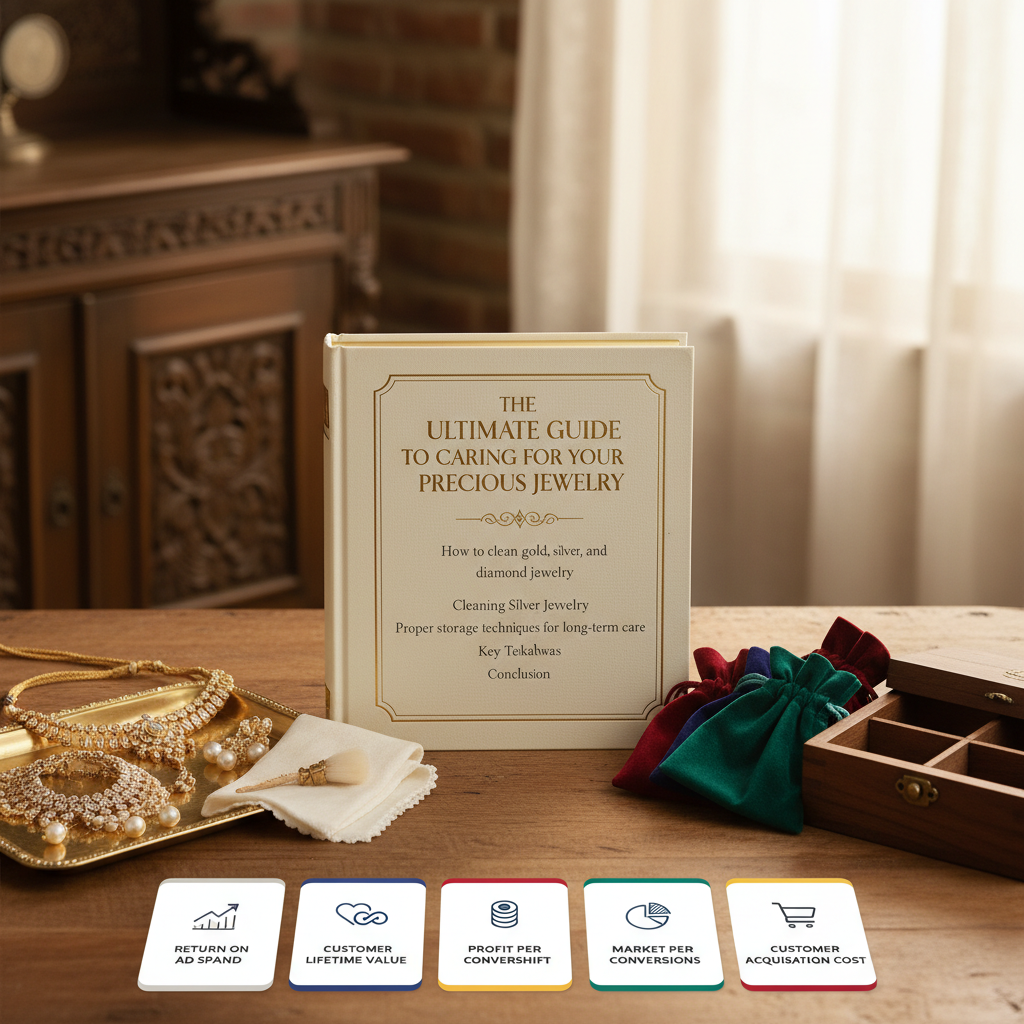
There’s a unique magic to Indian Jewelry. Each piece tells a story, often passed down through generations, rich with cultural heritage and personal memories. From the intricate filigree of a gold necklace to the shimmering elegance of a diamond-studded bangle, these aren’t just accessories; they are heirlooms, investments, and expressions of identity. Preserving their beauty and integrity is a commitment that ensures their legacy continues to shine for years to come.
Far too often, we admire these treasures but shy away from their upkeep, fearing we might damage them. The truth is, with a little knowledge and a gentle touch, maintaining your cherished pieces is straightforward and incredibly rewarding. This guide is designed to demystify the process, offering practical tips and techniques for preserving your Indian jewelry, ensuring it remains as captivating as the day you first acquired it. Think of it as investing in the longevity of your personal narrative, protecting the sparkle of your most treasured possessions.
How to clean gold, silver, and diamond jewelry
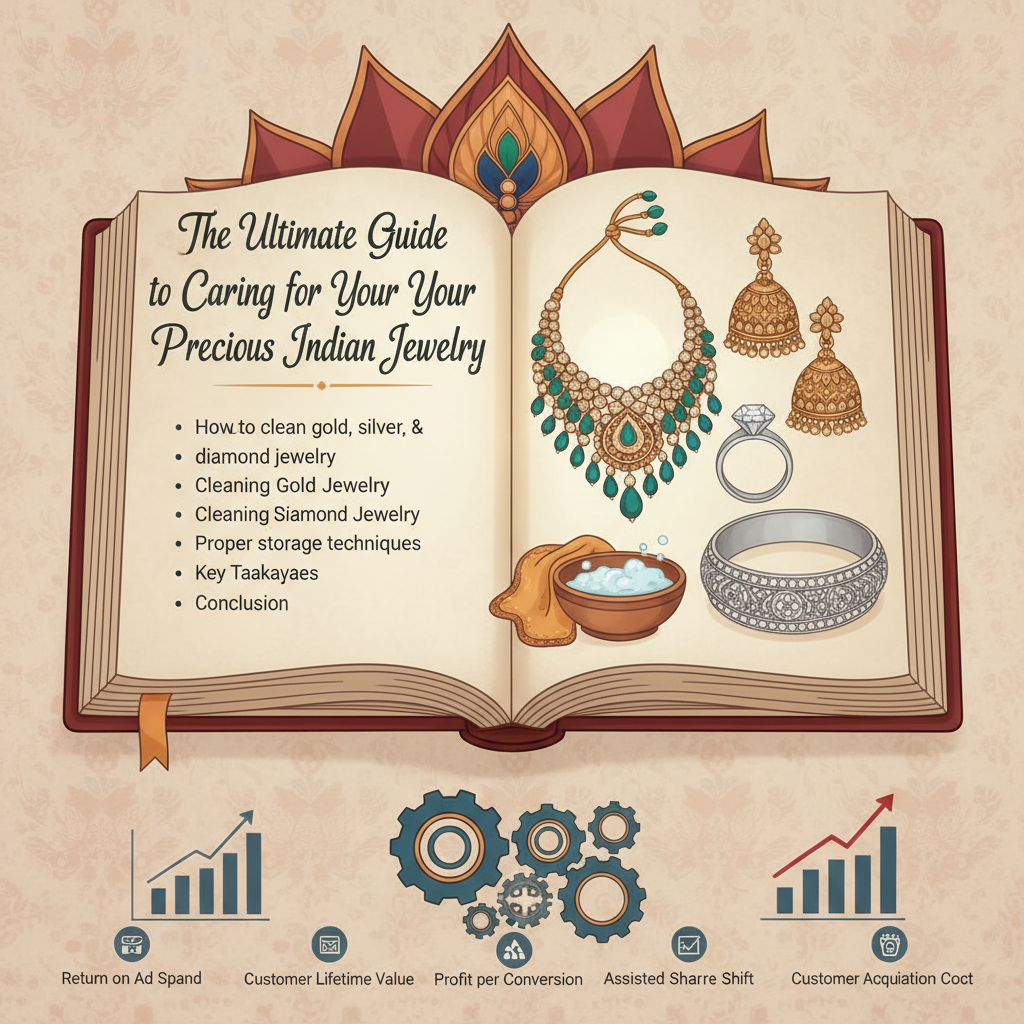
Effective Jewelry Care begins with understanding the specific needs of each material. Just as businesses tailor their marketing messages for different audience segments to maximize impact (a strategy frequently explored by sources like HubSpot), your jewelry also benefits from a customized approach. What works wonders for gold might be too harsh for silver, and diamonds, while robust, require their own particular touch. Let’s dive into the best cleaning tips for the most common types of Indian jewelry, ensuring each piece gets the tailored attention it deserves.
Cleaning Gold Jewelry
Gold, especially the high-carat gold often favored in Indian designs, is relatively soft and can scratch easily, but it’s also quite durable against tarnish. The key to cleaning gold is gentleness and consistency. For everyday cleaning, a simple approach is usually best.
Start by filling a bowl with warm (not hot) water and adding a few drops of mild dish soap – the kind without harsh chemicals or abrasives. Submerge your gold pieces in this solution and let them soak for about 15-20 minutes. This helps to loosen any dirt, oils, or residues that have accumulated.
After soaking, gently scrub the jewelry with a soft-bristled toothbrush, paying close attention to intricate carvings, clasps, and settings where grime tends to hide. Be thorough but never forceful. Rinse each piece under cool, running water to remove all soap residue. It’s crucial that no soap remains, as it can leave a dull film once dry.
Finally, dry your gold jewelry thoroughly with a soft, lint-free cloth. Polishing cloths specifically designed for jewelry are excellent for this purpose. Ensure the piece is completely dry before storing to prevent moisture-related issues. For heavily soiled gold or pieces with precious gemstones other than diamonds (like emeralds or rubies), it’s often wise to consult a professional jeweler. They have specialized equipment and knowledge to handle more delicate situations without risking damage.
Cleaning Silver Jewelry
Silver jewelry, particularly sterling silver, is prone to tarnishing due to its reaction with sulfur in the air and various chemicals. This dark discoloration is a natural process, but thankfully, it’s also reversible. Regular cleaning is essential to keep silver gleaming.
For light tarnish, the warm water and mild dish soap method described for gold can also work. Soak the silver pieces for a few minutes, gently scrub with a soft brush, rinse, and dry thoroughly. However, for more stubborn tarnish, you’ll need a more targeted approach.
One popular and effective home remedy involves a chemical reaction. Line a glass or plastic bowl with aluminum foil, shiny side up. Place your silver jewelry on the foil. Sprinkle a tablespoon of baking soda over the jewelry, then pour hot (but not boiling) water into the bowl until the jewelry is fully submerged. You’ll notice a fizzing reaction; this is the aluminum reacting with the baking soda and water to remove the tarnish from the silver. Let it sit for 5-10 minutes, or until the tarnish has visibly lifted.
Remove the jewelry with tongs, rinse it well under cool water, and dry it immediately with a soft cloth. This method is generally safe for most silver, but avoid it for pieces with pearls, opals, or other porous gemstones, as the heat and chemicals can be damaging. For these, a professional cleaning or a specialized silver polishing cloth is a safer bet. Consistent Jewelry Care, including regular polishing with a silver cloth, will minimize the need for more intensive cleaning.
Cleaning Diamond Jewelry
Diamonds are renowned for their hardness and brilliance, but they still require proper cleaning to maintain their sparkle. They attract oils and dirt easily, which can dull their fire and brilliance. The good news is that cleaning diamonds is relatively simple and can be done at home with great success.
Similar to gold, a warm water and mild dish soap solution is your best friend for diamond cleaning. Place your diamond jewelry in the solution and let it soak for about 20-30 minutes. This helps to loosen any built-up grime, especially from lotions, makeup, and natural skin oils.
After soaking, use a soft-bristled toothbrush (a dedicated, clean one is ideal) to gently scrub the diamond and its setting. Pay particular attention to the underside of the diamond and any crevices in the setting, as these areas tend to accumulate the most dirt and are crucial for light reflection. Rinse the jewelry thoroughly under cool, running water, ensuring all soap residue is completely removed. Any leftover soap will dry as a film, diminishing the diamond’s sparkle.
Dry the diamond jewelry with a lint-free cloth or allow it to air dry completely on a soft towel. For an extra sparkle, you can gently buff the diamond with a clean, soft cloth. Avoid using harsh chemicals like bleach or chlorine, as these can damage the metal settings, even if they don’t harm the diamond itself. Ultrasonic cleaners are also an option, but consult with a jeweler first, especially for pieces with intricate settings or other gemstones, as vibrations can sometimes loosen stones. Regular Cleaning Tips for diamonds will ensure they always catch the light beautifully.
Proper storage techniques for long-term care
Beyond cleaning, how you store your precious Indian Jewelry plays a monumental role in its longevity and appearance. Improper storage can lead to scratches, tangles, tarnishing, and even structural damage. Think of storage as the quiet guardian of your treasures, protecting them when they’re not being worn. This aspect of Jewelry Care is often overlooked but is absolutely critical for long-term preservation.
Firstly, the golden rule of jewelry storage is to keep each piece separate. This prevents items from rubbing against each other, which can cause scratches, especially between harder and softer metals or gemstones. A diamond can easily scratch gold, and a metal chain can abrade a pearl. Individual soft pouches, compartmentalized jewelry boxes, or even small zip-lock bags (ensuring all air is squeezed out for silver to minimize tarnish) are excellent solutions.
Humidity and temperature are significant factors. Store your jewelry in a cool, dry place, away from direct sunlight, extreme heat, and high humidity. Bathrooms, for instance, are notoriously bad places to store jewelry due to fluctuating moisture levels, which accelerate tarnishing and can damage certain materials like pearls or opals. Consider using silica gel packets in your jewelry box to absorb excess moisture, especially in humid climates.
For silver, anti-tarnish strips or cloths are highly effective. These chemically treated materials absorb airborne sulfur compounds that cause tarnish, significantly slowing down the process. Storing silver in airtight containers or bags with these strips can keep it gleaming for much longer between cleanings.
Necklaces and chains are notorious for tangling. To prevent this frustrating mess, hang them individually on hooks or use dedicated necklace organizers. Alternatively, you can thread one end of a chain through a small straw and clasp it, preventing knots. Bracelets and bangles, particularly those with intricate designs, also benefit from individual compartments or soft dividers.
Pearls and opals deserve special mention. These organic gemstones are softer and more porous than diamonds or gold. They require air circulation, so avoid storing them in airtight plastic bags, which can cause them to dry out and crack. Instead, keep them in a soft cloth pouch or a silk-lined compartment. They also absorb moisture and oils from your skin, which actually helps maintain their luster, so wear them often! But remember to wipe them down with a soft, damp cloth after wearing to remove any sweat or residue before storage.
Consider the environment. Just as brands meticulously craft their digital presence and content strategy for longevity and impact (a concept often highlighted by sources like Think with Google, emphasizing the importance of sustainable digital assets), your physical treasures also thrive in a controlled, thoughtful environment. A well-organized and protected storage system reflects a deep appreciation for the value and history embedded in each piece.
Finally, always remove your jewelry before engaging in activities that could damage it. This includes showering, swimming (especially in chlorinated water), exercising, cleaning with harsh chemicals, or applying lotions and perfumes. These practices might seem like minor inconveniences, but they are crucial for preventing unnecessary wear, chemical exposure, and accidental loss. A little foresight in daily habits goes a long way in preserving the brilliance and structural integrity of your precious pieces.
By implementing these proper storage techniques, you’re not just putting your jewelry away; you’re actively safeguarding its beauty, ensuring that each piece remains a cherished part of your collection, ready to be worn and admired for generations. This proactive approach to Jewelry Care is an investment in both the material value and the emotional significance of your heirlooms.
Key Takeaways
- Regular, gentle cleaning with mild soap and warm water is suitable for most gold, silver, and diamond jewelry.
- Silver prone to tarnish can benefit from an aluminum foil and baking soda bath, but avoid this for porous gemstones.
- Proper storage is crucial: keep pieces separate, in a cool, dry place, and consider anti-tarnish solutions for silver.
- Organic gemstones like pearls and opals require specific care, including air circulation and gentle wiping after wear.
- Always remove jewelry during activities that could cause damage or exposure to harsh chemicals to ensure its longevity.
Conclusion
Caring for your Indian jewelry is more than just a chore; it’s an act of respect for artistry, heritage, and personal memories. By adopting these straightforward cleaning and storage practices, you ensure that your precious pieces not only retain their breathtaking beauty but also continue to tell their stories for generations to come. Each sparkle preserved, each tarnish prevented, is a testament to your commitment to safeguarding these timeless treasures. Embrace the journey of conscientious care, and watch your heirlooms shine brighter than ever, reflecting the enduring elegance of their legacy.