
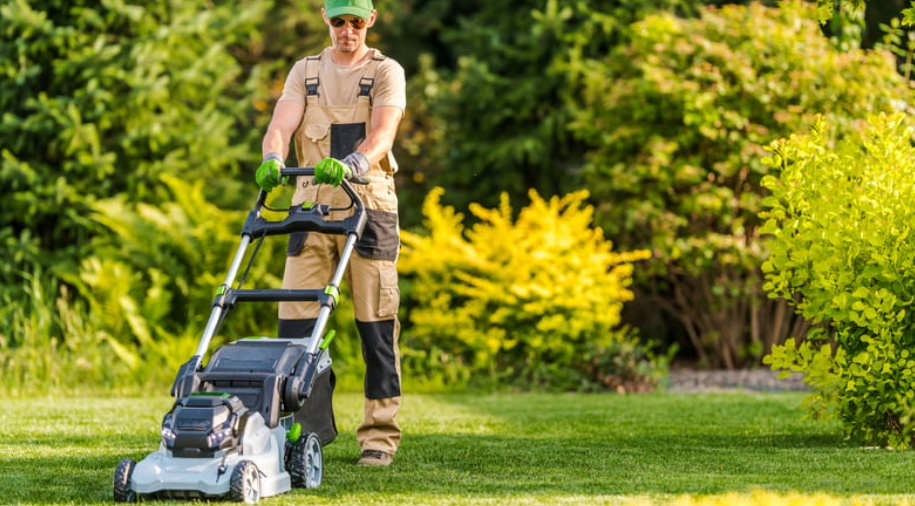
A well-manicured lawn requires more than just trimming grass regularly. While basic mowing can keep your lawn looking tidy, it does not address the full range of needs required to maintain healthy, resilient turf. Professional care ensures that all aspects of lawn health, from soil quality to pest management, are considered and managed appropriately. Engaging expert lawn maintenance services in Norcross provides a comprehensive approach that goes beyond aesthetics, ensuring that your lawn thrives and maintains its color, density, and vitality throughout the year.
Basic mowing typically focuses solely on cutting the grass to a uniform height. This helps maintain a neat appearance, but it does little to strengthen roots, improve soil health, or prevent disease. Lawns can still develop thinning areas, weed growth, or nutrient deficiencies if they only receive surface-level care. Professional services evaluate the condition of the turf and implement practices that target the health of both grass and soil, offering solutions that go far beyond what mowing alone can achieve.
Core Differences Between Basic and Full-Scope Services
Full-scope lawn maintenance includes a variety of essential tasks that address long-term health and resilience. Fertilization schedules are carefully planned to provide the right nutrients at the right time, supporting robust root growth and vibrant color. Soil testing and amendments may be applied to optimize pH levels and nutrient balance, ensuring that the lawn can thrive under local environmental conditions. Aeration and dethatching are also common practices, improving water and oxygen absorption and reducing soil compaction. These services collectively create a foundation for stronger, healthier grass that can resist stress and recover from damage more effectively.
Disease and Pest Management
A comprehensive approach also incorporates proactive monitoring for pests and disease. Identifying early signs of stress, discoloration, or unusual growth patterns allows professionals to take timely action. Experts rely on observation, testing, and targeted treatments to ensure that interventions are effective and minimize damage. Knowing what is included in professional lawn maintenance helps homeowners understand the breadth of care provided, from weed control to specialized treatments that prevent or correct common turf problems.
Watering and Irrigation Practices
Proper irrigation is another significant difference between basic mowing and full-scope maintenance. Professionals customize watering schedules based on grass type, soil conditions, and seasonal changes, ensuring that lawns receive the right amount of moisture for optimal growth. In contrast, a lawn that is only mowed may suffer from uneven watering, leading to weak or dry patches. By managing irrigation carefully, professional services help lawns remain consistently green and dense, improving both appearance and resilience.
Seasonal Adjustments
Full-scope lawn care also includes seasonal adjustments to address the changing needs of turf throughout the year. Fertilization, aeration, pest control, and other treatments are scheduled at times when they will be most effective. Professionals ensure that each task aligns with the grass’s natural growth cycles, preparing lawns to withstand stressors such as heat, drought, or frost. This strategic approach minimizes damage and enhances the overall health of the lawn year-round.
Conclusion
While basic mowing keeps a lawn tidy, it does not address the underlying factors that contribute to long-term health and beauty. Full-scope lawn maintenance services provide comprehensive care, including fertilization, soil management, pest and disease monitoring, irrigation, and seasonal adjustments. Engaging professional services ensures that your lawn not only looks good but also grows strong, dense, and resilient, maintaining its vibrancy throughout the year.