
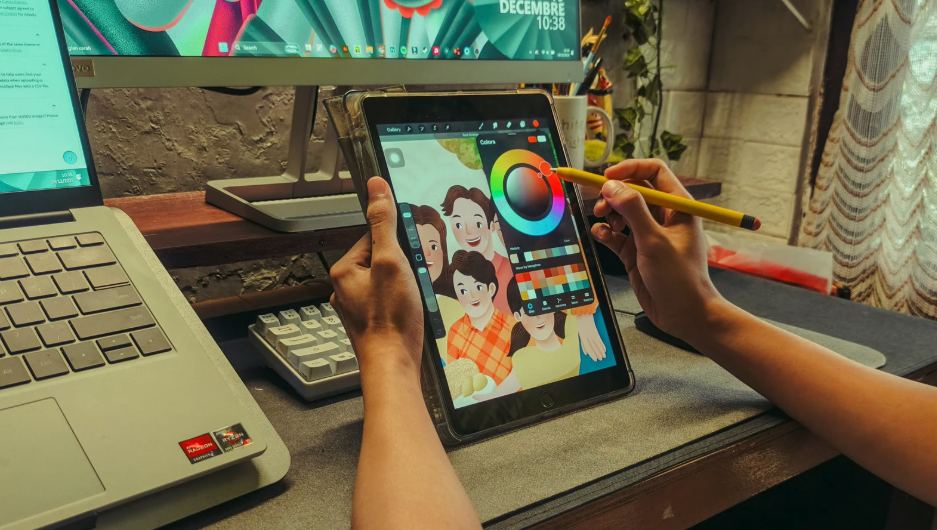
Animation is a creative medium that combines imagination with structure, allowing artists to bring stories and ideas to life through movement. In modern production, digital tools have expanded what creators can achieve while still requiring technical precision for professional results. Blender has become an important platform for 2D animation because it offers both flexibility and control in one workflow. Many creators exploring 2d blender animation in Fort Lauderdale appreciate how this approach supports expressive visuals while maintaining the technical standards needed for smooth production. The balance between artistry and control is what makes Blender such a valuable tool for modern animation projects. Understanding this balance highlights why 2D animation continues to evolve with powerful digital solutions.
The Artistic Freedom of 2D Animation in Blender
One of the strongest advantages of 2D animation is its ability to support creative expression. Artists can experiment with unique styles, hand-drawn textures, and imaginative character designs without being limited to rigid models. Blender’s tools allow creators to sketch, animate, and refine scenes directly within the software, supporting a fluid artistic process. This freedom encourages individuality in storytelling and visual design. Unlike more restrictive workflows, Blender enables animators to adjust strokes, shapes, and motion naturally, making it easier to maintain a distinct artistic voice throughout a project.
Technical Control Through Professional Animation Tools
While creativity is essential, animation also requires structure. Blender provides technical features that ensure animations remain consistent, polished, and production-ready. Timeline controls, layering systems, and precise keyframing help animators manage complex scenes with accuracy.
Technical control is especially important in professional environments where projects must meet deadlines and quality expectations. Blender supports detailed adjustments in timing, movement, and composition, ensuring that artistic ideas translate into smooth and cohesive animation sequences. Many creators also compare workflows between 2D vs. 3D Animation, since each approach involves different technical demands and creative possibilities.
How Blender Supports a Balanced Workflow
Blender stands out because it integrates artistic tools with advanced production features. Animators can draw and design freely while benefiting from structured editing options, camera controls, and rendering capabilities. This combination allows for a workflow that feels creative yet organized. The ability to work within one platform reduces the need for multiple programs, making production more efficient. Artists can move between storyboarding, animation, and final refinement without losing consistency or creative momentum.
Creative Flexibility for Storytelling and Style
2D Blender animation supports a wide range of storytelling styles, from minimalistic motion graphics to richly detailed character animation. The medium’s flexibility allows animators to adapt visuals to the tone and purpose of each project.
This adaptability is one reason 2D animation remains widely used in branding, entertainment, and educational content. Blender helps creators maintain stylistic freedom while ensuring technical reliability, which is essential for professional output.
Why Professional Animation Benefits from Both Elements
The most successful animation projects are those that combine strong artistic direction with technical precision. Creativity brings originality and emotional impact, while technical control ensures clarity, consistency, and smooth execution.
Blender’s 2D animation capabilities demonstrate how modern tools can support both sides equally. By balancing freedom and structure, animators can produce work that is expressive, polished, and ready for real-world application.
Conclusion
2D Blender animation offers a unique balance of artistic freedom and technical control, allowing creators to produce expressive visuals while maintaining professional quality. With flexible drawing tools and precise production features, Blender supports a workflow that encourages creativity without sacrificing structure. This balance makes it a powerful option for modern animation projects that require both imagination and technical excellence.