
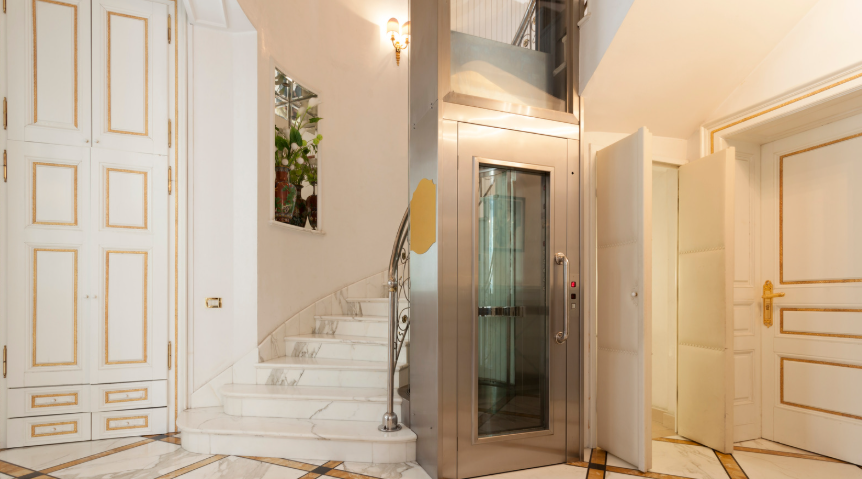
Owning a residential elevator brings a new level of convenience and accessibility to daily life, transforming how residents move through their home. To ensure this sophisticated machinery continues to operate safely and quietly, regular care is essential. Ignoring the needs of an in-house elevator lift can lead to unexpected breakdowns that disrupt your routine and result in expensive repairs. A proactive approach to maintenance preserves the value of the asset and guarantees a smooth ride for years to come.
The Importance of Professional Inspections
While the day-to-day operation of the unit may seem simple, the mechanical components working behind the scenes are highly complex. Relying on certified technicians for comprehensive audits is the only way to ensure every safety feature is functioning correctly. Routine examinations by a qualified professional are the cornerstone of any effective maintenance plan.
These experts possess the training to identify subtle wear patterns on cables and sheaves that an untrained eye would miss completely. During these visits, the technician tests the emergency braking system and verifies that the door interlocks engage properly to prevent accidents. This level of scrutiny ensures that the elevator complies with all safety codes and provides a secure environment for passengers. Establishing a service contract with a reputable provider guarantees that these critical checks happen at appropriate intervals, preventing small issues from escalating into major mechanical failures.
Lubrication and Mechanical Adjustments
Friction is the primary enemy of any moving mechanical system, and elevators are no exception. The rails and guide shoes that direct the cab require precise lubrication to prevent grinding and ensure a whisper-quiet ride. Professional service providers use specialized lubricants that do not attract dust or gum up the works over time. Beyond lubrication, technicians also adjust the leveling accuracy of the car to ensure it stops perfectly flush with the landing floor every time. This precise calibration eliminates tripping hazards and ensures that the ride quality remains consistently smooth throughout the lifespan of the equipment.
Keeping Tracks and Sensors Clean
The door tracks are particularly susceptible to collecting dust, pet hair, and small stones brought in from outside. If this debris builds up, it can obstruct the door motion and cause the safety sensors to trigger unnecessarily, preventing the elevator from moving. Regularly vacuuming these tracks ensures that the doors glide open and shut without resistance. It is also important to wipe down the interior control panel and handrails with mild cleaners to maintain a hygienic space. However, owners must avoid using harsh chemicals near the buttons or electronic displays to prevent moisture damage to the internal circuitry.
Monitoring Operational Sounds
Homeowners are often the first to notice when something sounds different during a ride. A lift that usually hums quietly should not suddenly start clicking, banging, or squeaking. These auditory cues are early warning signs that a component may be loose or in need of lubrication. Reporting these changes to your service provider immediately allows them to diagnose the problem before it causes a breakdown. Being attentive to the normal operation of the system allows for quick intervention, which often saves money by resolving minor issues before they damage other parts of the system.
Hydraulic Fluid and Cable Tension
For hydraulic systems, the condition of the fluid is paramount to performance. Over time, oil can degrade or become contaminated, which affects the lifting power and smoothness of the ride. Technicians perform fluid analysis to determine when a flush and change are necessary. Similarly, for traction systems, the steel cables can stretch slightly over the years of use. Professional maintenance includes measuring the tension of these cables and making necessary adjustments to maintain the correct traction and safety margins.
Conclusion
Maintaining a home elevator is a partnership between the diligent homeowner and the skilled service technician. By keeping the cab clean and listening for unusual noises, residents can catch potential problems early. However the longevity and safety of the system rely heavily on professional inspections and precise mechanical adjustments. Prioritizing expert care ensures that your in-house elevator lift remains a reliable and luxurious feature of your home for decades.