
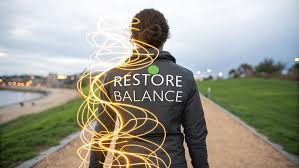
Mental wellness and substance dependency challenges affect millions of people worldwide, making Behavior Health/Addiction one of the most important topics in modern healthcare. Whether someone is struggling with stress, anxiety, depression, alcohol misuse, or drug dependency, the connection between mental health and addiction is often stronger than many realize. Proper treatment, early support, and long-term recovery strategies can make a life-changing difference for individuals and families.
What Does Behavior Health / Addiction Mean?
Behavioral health focuses on how habits, emotions, mental health, and daily actions impact overall well-being. It includes conditions such as anxiety, depression, trauma, stress disorders, and other emotional challenges. Addiction, on the other hand, refers to dependence on substances or harmful behaviors that negatively affect life, health, and relationships.
When combined, Behavior Health / Addiction treatment addresses both the mental and physical sides of recovery. This integrated approach is essential because many addiction struggles are linked to deeper emotional pain, trauma, or untreated mental health conditions.
The Strong Link Between Mental Health and Addiction
Many people dealing with addiction also experience behavioral health concerns. Someone may begin using alcohol or drugs to cope with anxiety, emotional stress, loneliness, or trauma. Over time, this temporary escape can develop into dependency.
Common examples include:
- Using alcohol to reduce anxiety in social situations
- Misusing prescription medication to numb emotional pain
- Turning to substances during periods of depression
- Using stimulants to manage exhaustion or stress
Without treating the underlying cause, addiction often returns. That is why professional care focuses on both recovery and emotional healing.
Common Signs That Help May Be Needed
Recognizing the signs early can prevent more serious consequences. Warning signs may include:
- Sudden mood swings or personality changes
- Isolation from family and friends
- Loss of motivation or declining work performance
- Increased secrecy or dishonesty
- Dependence on alcohol, drugs, or harmful habits
- Anxiety, depression, or emotional instability
- Financial or legal problems linked to substance use
If these patterns continue, professional guidance can be the best next step.
Treatment Options for Behavior Health / Addiction
Recovery is not the same for everyone. Different people need different levels of support depending on their circumstances, history, and health needs.
1. Counseling and Therapy
Licensed therapists help individuals understand triggers, trauma, emotional struggles, and negative thinking patterns. Therapy is one of the most effective long-term recovery tools.
2. Detox and Medical Support
Some addictions require supervised detox programs to safely manage withdrawal symptoms. Medical teams can provide safer recovery pathways.
3. Inpatient Rehabilitation
Residential treatment centers offer structured recovery environments with therapy, education, and daily support.
4. Outpatient Programs
These programs allow individuals to receive treatment while continuing work, school, or family responsibilities.
5. Support Groups
Peer support groups create accountability, encouragement, and community during recovery.
Why Family Support Matters
Addiction rarely impacts only one person. Families often experience emotional stress, confusion, and financial pressure. Supportive family involvement can improve treatment outcomes significantly.
Healthy family support may include:
- Encouraging treatment without judgment
- Learning about addiction and recovery
- Setting healthy boundaries
- Participating in counseling sessions
- Celebrating progress and milestones
Recovery becomes stronger when people feel supported instead of shamed.
Preventing Relapse Through Lifestyle Changes
Long-term wellness requires more than stopping substance use. Sustainable recovery often includes rebuilding daily habits and emotional resilience.
Helpful strategies include:
- Regular exercise and movement
- Healthy sleep routines
- Balanced nutrition
- Stress management techniques
- Therapy check-ins
- Avoiding high-risk environments
- Building positive friendships and support systems
These habits create structure and reduce relapse risk over time.
Breaking the Stigma Around Addiction
One of the biggest barriers to treatment is shame. Many people avoid asking for help because they fear judgment. In reality, addiction is a health issue—not a moral failure. Just like other medical conditions, it deserves compassionate treatment and professional care.
The more openly society discusses Behavior Health / Addiction, the easier it becomes for people to seek support early.
The Future of Recovery Care
Modern treatment continues to improve through telehealth counseling, personalized treatment plans, trauma-informed therapy, and integrated mental health services. This means more people can now access care privately, affordably, and effectively.
As awareness grows, communities are beginning to understand that recovery is possible with the right help, timing, and commitment.
Final Thoughts
Behavior Health / Addiction is a serious but treatable challenge that affects individuals, families, and communities every day. With the right combination of therapy, medical support, lifestyle changes, and emotional healing, long-term recovery is absolutely possible.
No matter how difficult things may seem, help is available. Seeking support is not weakness—it is the first step toward rebuilding health, confidence, and a better future.