
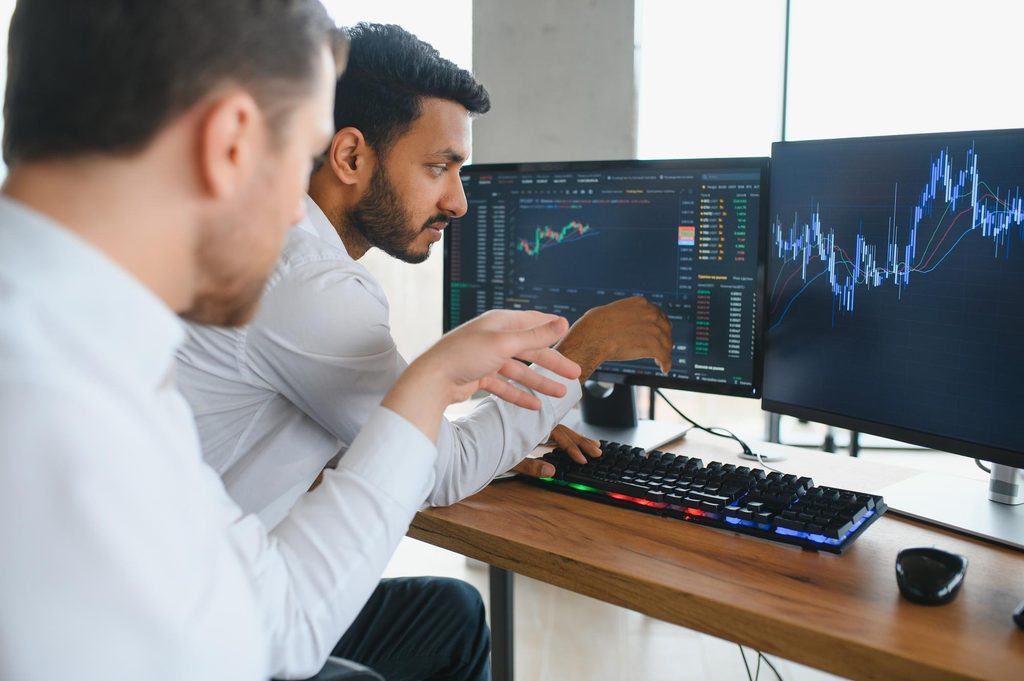
Forex trading allows participants to speculate on changes in currency exchange rates. Traders can analyse the market and place orders themselves or use software to execute trades according to predefined rules. These approaches are known as manual and automated trading, and each has its own advantages and limitations.
Modern forex trading tools include charts, technical indicators, economic calendars and automated systems. Choosing between manual and automated trading depends on a person’s experience, available time, strategy and ability to manage risk. Neither approach guarantees profits, and both require a clear understanding of market conditions.
What Is Manual Forex Trading?
Manual forex trading involves analysing market conditions and making trading decisions independently. Traders decide when to enter a position, how much to trade and when to close it.
They may study currency charts, economic announcements, interest rate decisions and geopolitical developments. Technical analysis helps identify price patterns, while fundamental analysis examines economic factors that influence exchange rates.
For example, a trader expecting a currency to strengthen may review its economic outlook before buying a related currency pair.
Advantages of manual trading include:
- Greater control: Traders make decisions based on their own analysis.
- Flexible analysis: They can consider unexpected news and changing market conditions.
- Skill development: Regular practice can improve market understanding.
- Adaptability: Traders can adjust their strategies when circumstances change.
However, manual trading requires time and discipline. Emotional reactions, such as fear or overconfidence, can also lead to poor decisions.
What Is Automated Forex Trading?
Automated forex trading uses software to execute trades according to predefined rules. These rules may depend on price levels, technical indicators or other measurable market conditions.
For example, a system might open a position when one moving average crosses another. Once the specified conditions are met, the software can execute the instruction without requiring the trader to place the order manually.
Advantages of automated trading include:
- Consistent execution: Software follows programmed instructions.
- Time efficiency: Systems can monitor markets while users are occupied.
- Quick responses: Orders can be submitted when predefined conditions occur.
- Strategy testing: Some platforms allow traders to evaluate rules using historical data.
Automation also carries risks. Technical failures, poorly designed strategies and unexpected market movements can affect results. Software cannot make an ineffective strategy profitable simply by executing it automatically.
Key Differences Between Manual and Automated Trading
1. Decision-Making
Manual traders interpret market information themselves and decide whether to act. This allows them to consider unexpected developments that may not be included in a fixed strategy.
Automated systems follow programmed instructions. They execute consistently but may not respond appropriately to unusual events unless their rules account for them.
2. Speed and Execution
Manual trading depends on how quickly a person can analyse information and place an order. This may work well for longer-term strategies but can be challenging when prices change rapidly.
Automated systems can respond quickly to predefined signals. However, actual execution still depends on internet connectivity, software performance, liquidity and the broker’s execution conditions.
3. Emotional Discipline
Fear, excitement and the desire to recover losses can influence manual decisions. Following a written trading plan can help reduce emotional reactions.
Automation reduces emotional involvement during execution because the software follows predetermined rules. Nevertheless, traders may still change settings impulsively or interfere with a system after experiencing losses.
4. Time Commitment
Manual traders may need to spend considerable time studying charts, following economic news and monitoring positions.
Automated trading can reduce continuous monitoring, but systems still require testing, maintenance and regular performance reviews. Market conditions change, and a strategy that previously worked may become less effective.
Choosing Suitable Trading Tools
The choice between manual and automated trading depends on a person’s goals and experience. Beginners may benefit from learning how currency pairs, spreads, leverage and order types work before adopting complex systems.
Charts and technical indicators support market analysis, while economic calendars help traders track announcements that may affect exchange rates. Automated strategies may require compatible software, reliable market data and backtesting features.
When evaluating forex trading tools, users should consider their costs, functionality and compatibility with their trading approach. A demo account can help traders practise without immediately risking real money, although simulated results may differ from live trading.
Risks of Both Trading Methods
Manual and automated trading both involve financial risk. Leveraged products, including contracts for difference (CFDs), allow traders to control larger positions with less capital but magnify both gains and losses.
Manual traders may overtrade, ignore exit rules or act on incomplete information. Automated traders may rely on outdated market patterns, use excessive position sizes or experience technical problems.
Risk management should therefore remain central to both approaches. Traders should establish clear entry and exit rules, understand applicable charges and avoid risking money needed for essential expenses.
Stop-loss orders can help manage potential losses, but execution at the requested price is not guaranteed during volatile conditions. Regular performance reviews can help identify weaknesses and improve decision-making.
Can Manual and Automated Trading Work Together?
Manual and automated methods can complement each other. A trader might use economic research to identify an opportunity and then use software to manage entries or exits. Others may automate specific rules while continuing to monitor positions themselves.
This approach combines structured execution with human oversight. However, traders must understand how their software works and avoid assuming that technology will always make the correct decision.
Testing a strategy, reviewing its limitations and starting cautiously are important steps before using real funds. Past performance does not guarantee future results.
Conclusion
Manual trading offers direct control over decisions, while automated trading uses programmed rules to execute strategies. Both require preparation, discipline and risk management. The appropriate method depends on a trader’s knowledge, available time and comfort with technology.
Baazex is an online trading brand operated by BAZ Capital Markets Ltd, which states that it holds Securities Dealer’s Licence SD134 issued by the Financial Services Authority of Seychelles. Its website describes access to forex and other CFD markets through its mobile application, WebTrader and MetaTrader 5. Traders exploring auto forex trading should understand how automated systems execute predefined rules and assess the risks involved. Prospective users should review Baazex’s service terms, eligibility requirements and risk disclosures before deciding whether its offerings suit their needs.