
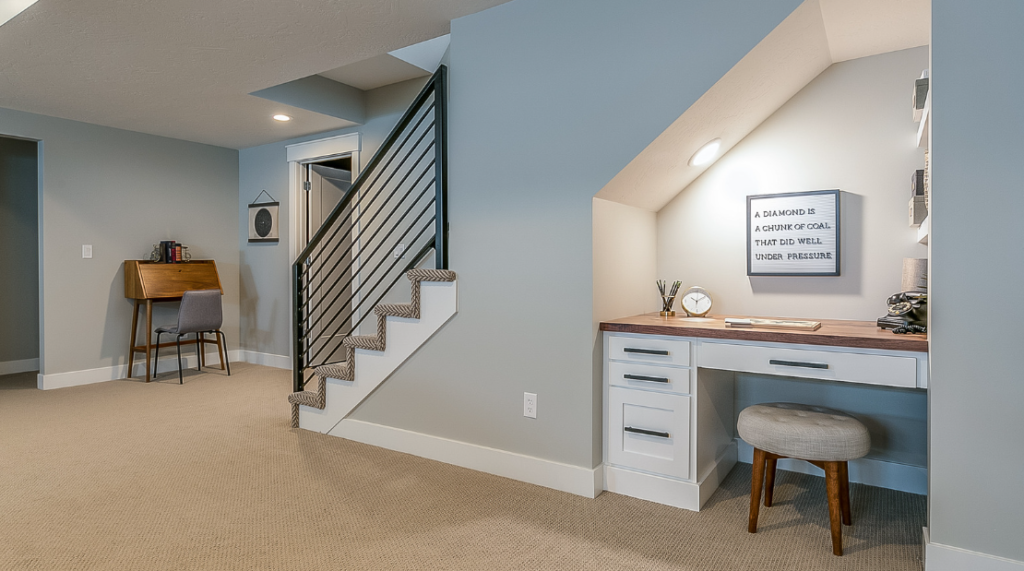
Choosing between finishing an existing basement or building a home addition is a major decision that affects space planning, comfort, and long-term value. Both options can enhance livability, but they differ in cost, timeline, and overall impact on the property. Homeowners often begin this comparison after consulting a basement finishing company in Buckhead to understand how existing space can be transformed efficiently. Professional insight helps clarify which approach aligns best with structural conditions, lifestyle needs, and future plans.
Making an informed choice early can prevent unnecessary expenses while maximizing return on investment. Each option brings distinct advantages depending on how space is currently used and how the home may evolve. Understanding these differences allows homeowners to invest with confidence while maintaining architectural harmony.
Understanding the Scope of a Finished Basement
A finished basement focuses on improving space that already exists within the home structure. This approach often allows homeowners to gain significant usable square footage without altering the exterior footprint. Finished basements can support a wide range of functions, including entertainment areas, work environments, or guest accommodations, depending on layout and ceiling height. Professional basement finishing emphasizes moisture control, insulation, and lighting to ensure comfort year-round. Because the structural shell is already in place, projects can progress efficiently while maintaining consistency with the rest of the home. This option is especially appealing for homeowners who want to expand living space without modifying property boundaries.
What a Home Addition Involves
A home addition creates new space by extending the structure outward or upward. This option offers greater flexibility in room placement and design since it starts from the ground up. Additions can accommodate large open layouts, primary suites, or expanded kitchens that may not fit within existing areas. However, additions often involve more extensive planning, including foundation work, zoning considerations, and exterior integration. Professional services are essential to ensure structural integrity and seamless connection with the existing home. While additions can deliver dramatic transformations, they typically require higher investment and longer timelines.
Cost and Value Considerations
Financial factors often play a central role in deciding between these two options. Finishing a basement generally requires less structural work, which can make it a more cost-efficient way to gain space. The return on investment is often strong when the finished area enhances everyday functionality and resale appeal. Home additions may increase overall square footage more visibly, which can boost market value in certain neighborhoods. However, higher construction costs and longer project duration must be weighed carefully. Professionals help assess which option offers the best balance of cost and long-term value based on the specific property.
Timeline and Project Disruption
Project duration and daily disruption vary significantly between the two choices. Basement finishing projects typically remain contained within the existing structure. This limits impact on landscaping and exterior access while allowing homeowners to maintain normal routines more easily. Additions involve exterior construction, which can affect yard space and require extended construction phases. Knowledge of essential things to consider when finishing a basement helps homeowners set realistic expectations and avoid delays, regardless of the chosen path.
Lifestyle Fit and Long-Term Flexibility
The right choice ultimately depends on how the space will be used over time. Finished basements offer flexibility for evolving needs while keeping the home’s exterior unchanged. They are well-suited for households seeking adaptable multipurpose areas within the existing footprint. Home additions may better serve homeowners who need specific room types or significant layout changes. Professional guidance ensures that whichever option is chosen, it aligns with both current lifestyle and future resale goals without compromising quality.
Conclusion
Finished basements and home additions each offer unique advantages depending on space needs, budget, and long-term plans. A finished basement maximizes existing space efficiently, while a home addition creates entirely new living areas. With professional evaluation and careful planning, homeowners can choose the option that delivers lasting comfort value and functional growth.