
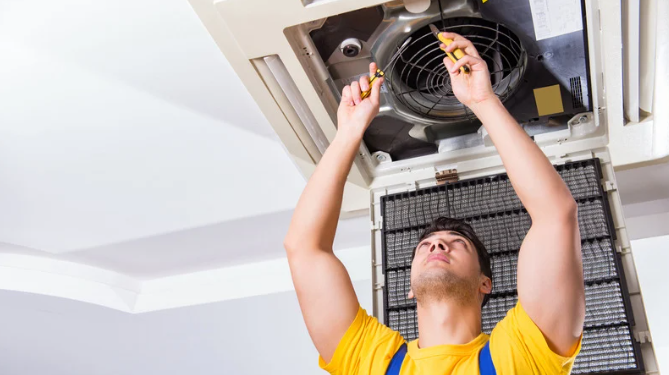
A functioning cooling system is the heartbeat of a comfortable home, especially during the sweltering summer months when temperatures soar. When your system begins to falter or stops working altogether, it creates a stressful situation that demands an immediate solution. Homeowners frequently grapple with the difficult decision of whether to invest in another fix or commit to a full system replacement. Consulting with a specialist for AC repair in North Port provides the professional insight needed to navigate this complex choice effectively. Expert technicians assess the specific mechanical issues to help you determine if the unit is worth saving or if it has reached the end of its useful life.
The Significance of Equipment Age
The age of your cooling unit is often the single most important factor in the repair-versus-replace equation. Most central air conditioning systems are designed to last between ten and fifteen years, depending on maintenance history and usage intensity. As the system approaches the decade mark, its internal components begin to wear down significantly, leading to a natural decline in efficiency. Continuing to patch up an aging unit often results in diminishing returns as the frequency of failures tends to increase with every passing season. Investing in extensive repairs for a machine that is nearing its expiration date is rarely a financially sound strategy in the long run.
Analyzing the Frequency of Breakdowns
Reliability is a key component of home comfort, and a system that requires constant attention is a major liability. If you find yourself calling for service multiple times in a single year, the cumulative cost of these visits can quickly equal a down payment on a new system. A reliable general rule used by many professionals is to multiply the unit’s age by the estimated repair cost. If that total exceeds the cost of a new unit, replacement is typically the wiser financial move. Constant breakdowns also indicate that the system is struggling to keep up with demand, which places unnecessary stress on the compressor and other vital parts.
Impact on Energy Bills
Older air conditioning units often have much lower energy efficiency ratings than modern standards. This means they consume significantly more electricity to produce the same amount of cooling, resulting in higher monthly utility bills. Upgrading to a high-efficiency model can drastically reduce energy consumption and offset the initial investment over time. Modern systems are designed to cool spaces more evenly and remove humidity more effectively, which enhances the overall indoor environment.
Exploring Advanced Cooling Options
Replacing an outdated system opens the door to newer technologies that solve chronic comfort issues. Many homeowners discover how ductless air conditioners enhance home comfort by delivering precise temperature control to individual rooms and living spaces. These versatile systems eliminate energy loss from leaky ductwork and enable personalized climate zones within the house. Upgrading allows you to address hot spots or additions that your old central unit struggled to cool effectively, ensuring every room remains comfortable.
Conclusion
Deciding between repairing and replacing your air conditioner requires a careful balance of immediate costs and long-term value. While a quick fix might seem attractive in the moment, it often serves only as a temporary bandage for a failing system. By considering factors such as age, efficiency, and breakdown frequency, you can make an informed choice that protects your financial interests. Relying on professional guidance ensures that you select the path that guarantees consistent comfort and reliability for your home for years to come.