
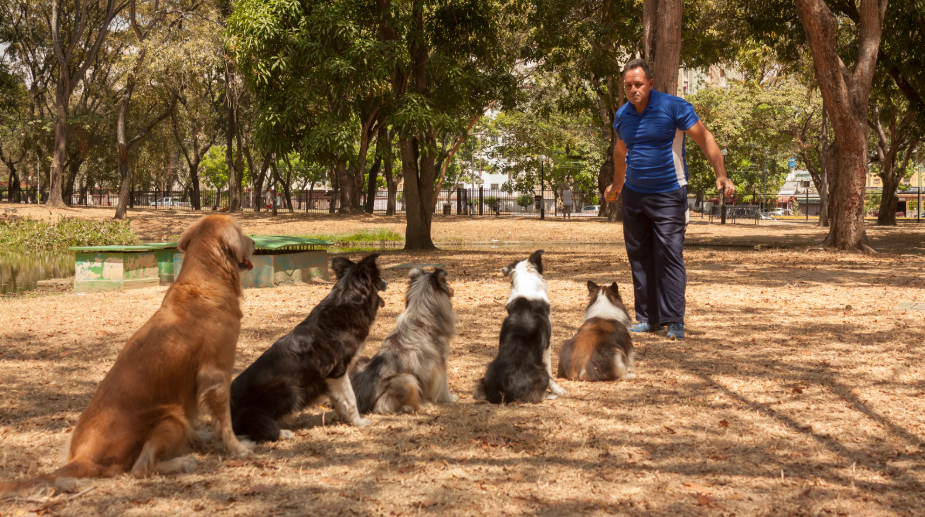
Finding the right professional to guide your dog’s development can shape behavior for years to come. Training isn’t just about teaching commands; it’s about creating consistent communication and dependable responses in real-life situations. Many owners begin their search for a qualified dog trainer in Atlanta when early challenges start affecting daily routines. The right trainer focuses on long-term reliability rather than quick fixes. Structured instruction, proper timing, and individualized attention make a significant difference in how well a dog understands expectations. Selecting carefully ensures steady progress and lasting results.
What Sets a Qualified Trainer Apart
Not all training programs follow the same standards. A skilled professional understands canine learning theory, behavior patterns, and how to adjust techniques based on temperament.
Knowledge, Timing, and Observation
Effective trainers observe subtle body language cues that signal stress, confusion, or engagement. This allows them to adapt pacing and reinforcement methods so learning remains clear and productive. Precision in timing helps dogs connect actions with outcomes, reducing mixed signals.
Behavior challenges also require thoughtful handling. Situations involving reactivity or defensive responses benefit from structured strategies, such as effective aggressive dog-training tips, where professional oversight ensures safety and gradual progress without overwhelming the dog.
Evaluating Training Methods and Structure
Consistency and clarity should be central to any program. A well-designed approach builds skills progressively, rather than expecting immediate perfection.
Building Skills Step by Step
A reliable trainer breaks behaviors into manageable stages. Dogs first learn cues in calm environments before practicing in more distracting settings. This gradual progression strengthens understanding and prevents frustration.
Programs should also include guidance for handlers. Learning how to reinforce behaviors correctly ensures that progress continues between sessions. Clear instructions on posture, voice tone, and timing help maintain consistency, which is essential for lasting success.
Communication and Professionalism Matter
Beyond technical skill, the relationship between trainer and client plays an important role. Open communication builds trust and helps align expectations.
Setting Realistic Goals
Every dog learns at a different pace. A reputable trainer sets achievable milestones and explains how progress will look over time. Transparency about timelines and potential challenges ensures owners feel informed rather than discouraged.
Professionalism also includes structured lesson plans, punctuality, and attention to safety. These factors create a stable learning environment where dogs can focus without unnecessary stress.
Long-Term Benefits of Choosing Wisely
Selecting the right professional early helps prevent small issues from becoming ingrained habits. Dogs trained with a clear structure develop better impulse control, stronger focus, and improved adaptability in changing environments.
The skills learned extend beyond obedience. Dogs gain confidence navigating social situations, unfamiliar settings, and routine activities like vet visits or grooming appointments. This reliability enhances daily life and reduces stress for both dog and owner.
Conclusion
Careful selection of a training professional leads to consistent behavior, stronger communication, and greater stability in everyday situations. A structured approach guided by expertise builds dependable responses that support a balanced, well-adjusted companion over the long term.