
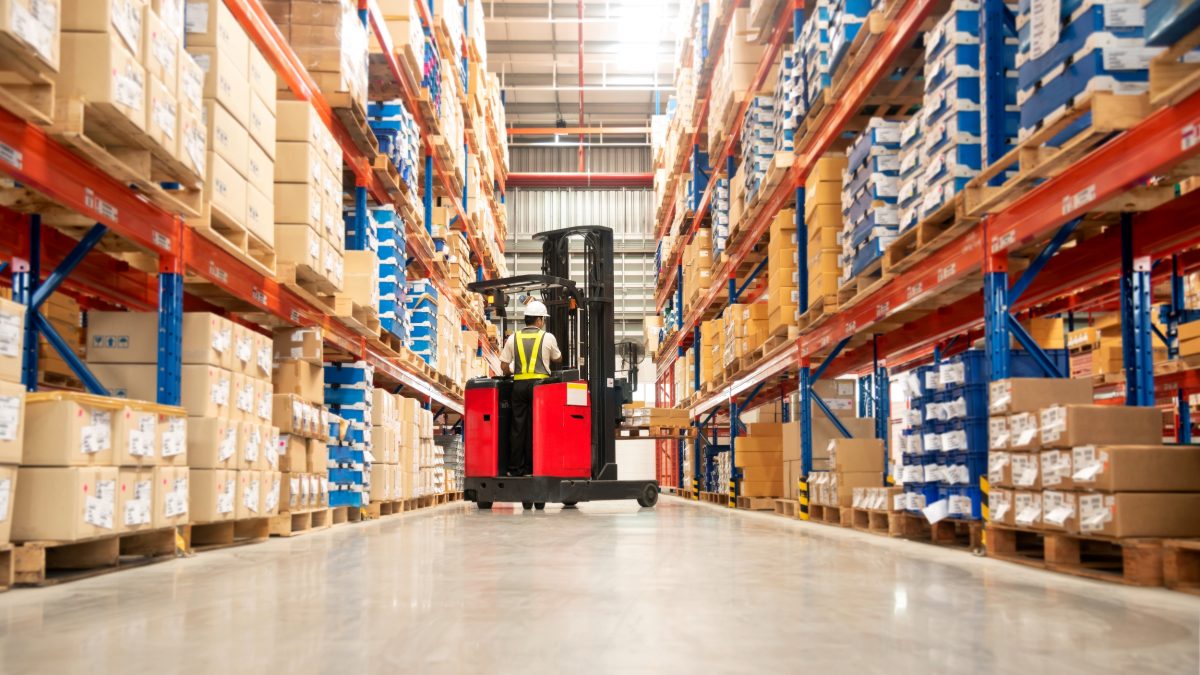
Warehouses are critical components of the supply chain, serving as hubs for the storage and distribution of goods. However, the inherent risks associated with warehouse operations can lead to dangerous situations if safety protocols are not strictly adhered to. One of the most significant risks is the potential for accidents involving heavy machinery, such as forklifts and pallet jacks.
These vehicles are essential for moving goods but can cause severe injuries or fatalities if operated improperly or without adequate safety measures in place. The combination of high traffic areas, narrow aisles, and the presence of large, heavy items creates an environment where accidents can occur with alarming frequency. In addition to machinery-related incidents, unsafe warehouses often present hazards related to structural integrity.
Poorly maintained shelving units can collapse under the weight of stored goods, leading to serious injuries for workers nearby. Furthermore, inadequate lighting can obscure hazards, making it difficult for employees to navigate safely. Slips, trips, and falls are common occurrences in warehouses where spills are not promptly cleaned up or where walkways are cluttered with equipment or materials.
The cumulative effect of these risks not only endangers workers but can also disrupt operations and lead to significant financial losses for businesses.
Common Causes of Warehouse Accidents
Warehouse accidents can stem from a variety of factors, many of which are preventable with proper oversight and training. One prevalent cause is human error, which can manifest in numerous ways. For instance, workers may fail to follow established safety protocols when operating machinery or may neglect to wear personal protective equipment (PPE).
In some cases, fatigue can impair judgment and reaction times, leading to mistakes that result in accidents. The fast-paced nature of warehouse work often encourages employees to rush through tasks, increasing the likelihood of errors that can have dire consequences. Another significant contributor to warehouse accidents is inadequate maintenance of equipment and heavy machinery safety mats.
Forklifts and other machinery require regular inspections and servicing to ensure they operate safely. When maintenance is neglected, the risk of mechanical failure rises dramatically. Similarly, the physical environment must be kept in good condition; damaged flooring or unstable shelving can create hazardous conditions that lead to accidents.
Additionally, poor communication among team members can exacerbate risks, particularly in busy warehouses where multiple tasks are occurring simultaneously. Without clear communication regarding safety protocols and operational procedures, the potential for accidents increases significantly.
The Impact of Warehouse Accidents on Workers
The repercussions of warehouse accidents extend far beyond immediate physical injuries; they can have lasting effects on workers’ lives and well-being. For those who suffer injuries on the job, the road to recovery can be long and arduous. Physical injuries may require extensive medical treatment, rehabilitation, and time away from work, leading to financial strain for both the injured worker and their family.
In severe cases, accidents can result in permanent disabilities that alter a worker’s ability to perform their job or engage in daily activities. Moreover, the psychological impact of workplace accidents should not be underestimated. Workers who witness or experience traumatic events may develop anxiety, depression, or post-traumatic stress disorder (PTSD).
This emotional toll can affect not only their professional lives but also their personal relationships and overall quality of life. The fear of returning to a potentially dangerous work environment can lead to decreased morale among employees and increased turnover rates as workers seek safer job opportunities. Consequently, the impact of warehouse accidents reverberates throughout the workforce, creating a culture of fear and uncertainty that undermines productivity and employee satisfaction.
Legal and Financial Consequences of Unsafe Warehouses
The legal ramifications of operating an unsafe warehouse can be severe for employers. In many jurisdictions, businesses are required by law to provide a safe working environment for their employees. Failure to comply with safety regulations can result in significant penalties, including fines imposed by regulatory agencies such as the Occupational Safety and Health Administration (OSHA) in the United States.
These fines can escalate quickly, particularly if a company is found to have willfully neglected safety standards or if multiple violations are identified during inspections. Beyond regulatory fines, companies may also face civil lawsuits from injured workers seeking compensation for their injuries. Legal battles can be lengthy and costly, draining resources that could otherwise be invested in improving safety measures or expanding operations.
Additionally, businesses may experience increased insurance premiums following an accident or injury claim, further straining their financial resources. The reputational damage associated with workplace accidents can also deter potential clients and customers who prioritize safety and ethical business practices. In an increasingly competitive market, maintaining a positive reputation is crucial for long-term success.
Best Practices for Warehouse Safety
Implementing best practices for warehouse safety is essential for minimizing risks and protecting workers. One fundamental approach is conducting regular safety audits to identify potential hazards within the facility. These audits should encompass all aspects of warehouse operations, including equipment maintenance, employee training, and adherence to safety protocols.
By proactively identifying risks, management can take corrective actions before accidents occur. Another critical component of warehouse safety is establishing clear communication channels among employees. Regular safety meetings can foster an environment where workers feel comfortable discussing concerns and sharing insights about potential hazards they encounter on the job.
Additionally, creating a culture that prioritizes safety encourages employees to take ownership of their well-being and that of their colleagues. Implementing a system for reporting near-misses or unsafe conditions without fear of retribution can further enhance safety awareness within the workplace. Furthermore, investing in high-quality personal protective equipment (PPE) is vital for safeguarding workers against potential hazards.
Employers should ensure that all employees have access to appropriate PPE tailored to their specific roles within the warehouse environment. This may include hard hats, gloves, safety goggles, and steel-toed boots. Regular training on the proper use and maintenance of PPE is equally important; workers must understand how to use their equipment effectively to maximize protection.
The Role of Training and Education in Warehouse Safety
Foundational Training for New Employees
Comprehensive onboarding programs should include thorough instruction on safety protocols, equipment operation, and emergency procedures. This foundational training sets the stage for safe practices from day one and helps instill a sense of responsibility among workers regarding their own safety and that of their peers.
Ongoing Training and Development
Regular refresher courses can help reinforce safety knowledge and keep employees informed about any changes in regulations or procedures. Incorporating hands-on training sessions allows workers to practice skills in a controlled environment before applying them on the job.
Additionally, utilizing technology such as virtual reality simulations can provide immersive training experiences that enhance understanding and retention of safety concepts.
Empowering Employees and Improving Operational Efficiency
Fostering an environment where continuous learning is encouraged can lead to innovative solutions for improving warehouse safety. Employees who feel empowered to share ideas or suggest improvements are more likely to engage actively in safety initiatives.
By prioritizing training and risk management as integral components of warehouse operations, companies not only enhance worker safety but also contribute to overall operational efficiency and productivity.