
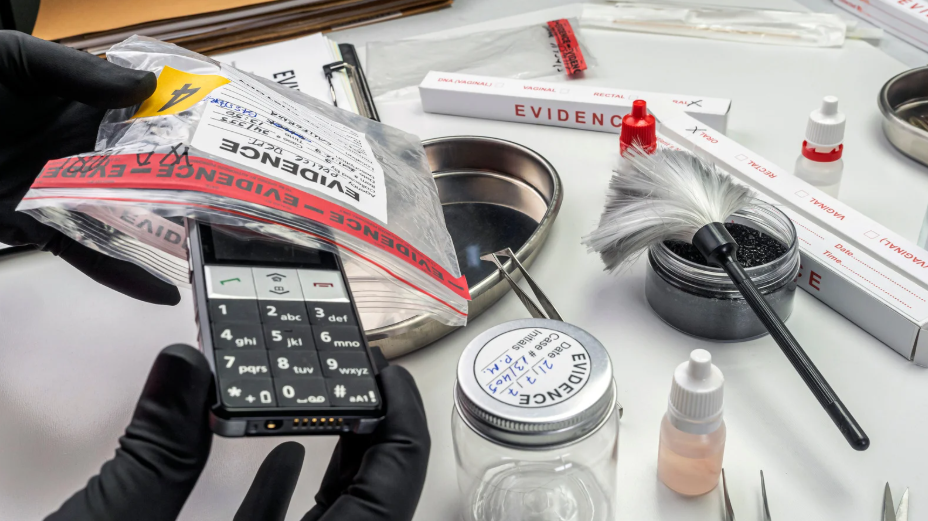
Facts carry weight only when they can be proven. That’s why thorough documentation is central to every case handled by a private investigator in Doral. Professional investigators don’t rely on memory or verbal accounts alone; they build structured records that support credibility and accuracy. From photographs to time-stamped notes, each detail contributes to a clear evidentiary trail. Proper documentation transforms observations into reliable findings that can withstand scrutiny in legal, personal, or business matters.
Establishing Credibility and Accuracy
Objective evidence strengthens the integrity of investigative results. Without written records, visual proof, and verified timelines, findings may be challenged or dismissed. Investigators maintain logs that detail dates, locations, and observed activities. These records create a consistent narrative supported by factual documentation rather than interpretation. Case discussions often note that structured reporting practices align with professional standards in a comprehensive guide on private investigations, where documentation plays a central role in maintaining clarity. This organized approach ensures every piece of information is traceable.
Time-Stamped Records
Accurate time tracking confirms when events occurred. Time-stamped photos, videos, and written logs help establish sequences that are critical in disputes or legal reviews.
Supporting Legal and Civil Proceedings
Documentation is often essential when findings enter formal processes. Courts, attorneys, and insurance representatives require verifiable evidence rather than summaries. Professionally documented materials, such as surveillance footage, interview notes, and photographic records, provide tangible proof. These materials must be collected lawfully and preserved carefully to maintain admissibility.
Chain of Custody
Maintaining control over evidence ensures authenticity. Investigators document how materials are obtained, stored, and transferred to prevent claims of tampering or alteration.
Reducing Misinterpretation
Written notes and visual records reduce reliance on subjective recollection. Observations are recorded in real time, capturing environmental conditions, participant behavior, and contextual factors. This prevents misunderstandings and ensures findings reflect actual events rather than assumptions.
Objective Language in Reporting
Professional reports avoid emotional or speculative wording. Clear, factual descriptions enhance reliability and professionalism.
Strengthening Professional Accountability
Detailed documentation also protects the investigator’s integrity. Records demonstrate that methods followed legal guidelines and professional standards. Should questions arise about procedures, documentation provides transparency. This accountability builds trust among clients, legal professionals, and regulatory bodies.
Consistency Across Cases
Standardized documentation practices ensure findings remain clear and organized regardless of case type. Consistency supports efficiency and credibility.
Conclusion
Careful recordkeeping transforms investigative work into reliable evidence. Structured notes, verified visuals, and properly preserved materials ensure findings remain accurate, defensible, and clear. Professional documentation safeguards integrity while providing dependable information for decisions and formal proceedings alike.