
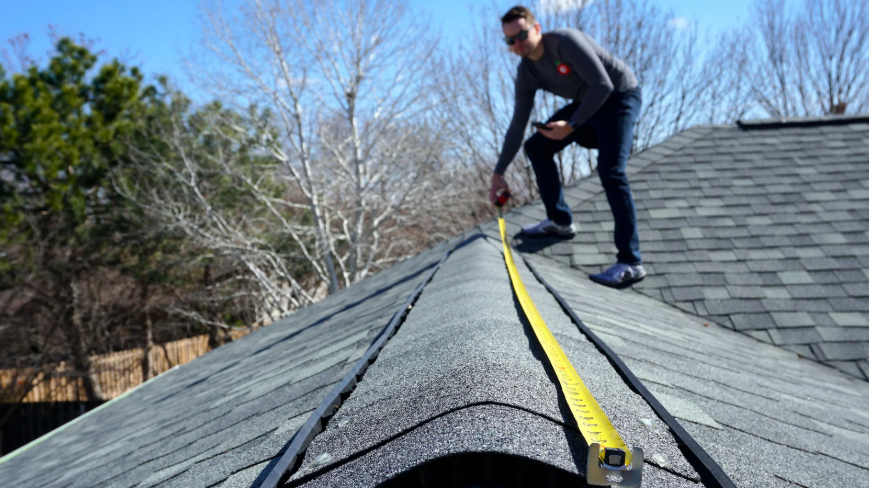
Rubber roofing has become increasingly popular for buildings with limited drainage, offering numerous benefits that traditional roofing materials cannot match. For buildings that struggle with efficient water flow, choosing a material that can handle moisture buildup without deteriorating is critical. Rubber roofing in Roswell, GA, is particularly suited for such environments due to its durability, waterproof properties, and flexibility.
Buildings with limited drainage are often prone to water pooling, which can lead to leaks, structural damage, and reduced roof lifespan. Rubber roofing provides an excellent solution by offering seamless coverage and superior resistance to water-related issues. Its performance in handling water without compromising the integrity of the structure makes it a reliable and cost-effective choice for many commercial and residential properties.
Benefits of Rubber Roofing for Limited Drainage Situations
For buildings with limited drainage, traditional roofing materials may struggle to prevent water from collecting. Rubber roofing, however, is designed to withstand the challenges posed by poor drainage, making it an ideal option.
Waterproofing Capabilities
Rubber roofing is highly effective in preventing water penetration due to its seamless installation. Unlike shingles or metal roofing, which may have joints or seams that allow water to seep through, rubber roofing is installed in large, continuous sheets. This feature helps eliminate the risk of leaks, even in areas where water accumulation is a concern. Its waterproof membrane is durable and resistant to both standing water and fluctuating temperatures, ensuring long-term protection.
In addition to its waterproof capabilities, rubber roofing is flexible enough to accommodate slight shifts in the building’s structure without compromising its performance. This is especially beneficial in areas with limited drainage, where water might settle in pockets or along low points of the roof.
Durability and Longevity
One of the standout features of rubber roofing is its durability. Rubber is resistant to the elements, including extreme weather conditions such as heavy rainfall, snow, and UV exposure. Unlike other materials, rubber roofing does not become brittle or crack over time, even when exposed to water buildup. This makes it an excellent choice for buildings with limited drainage that may face prolonged periods of moisture accumulation.
Rubber roofing also offers a long lifespan, which can help homeowners and building managers save on maintenance and replacement costs. Regular inspections and minor repairs can help maintain its performance, ensuring that the roof continues to protect the building for many years.
Addressing Common Misconceptions About Rubber Roofing
While rubber roofing is an excellent solution for many buildings with limited drainage, there are still some common myths about rubber roofing that may lead to misconceptions. For instance, some homeowners believe that rubber roofing is less durable or more prone to damage than traditional materials. However, rubber roofing has proven to be highly resistant to wear and tear, especially when maintained properly.
Another misconception is that rubber roofing requires constant replacement. On the contrary, when properly installed and maintained, rubber roofs can last decades, providing lasting protection without frequent repairs or replacements. Learning more about these myths can help property owners make more informed decisions about the best roofing material for their needs.
Conclusion
Rubber roofing is an ideal choice for buildings with limited drainage due to its excellent waterproofing properties, durability, and ease of maintenance. Whether for a residential home or a commercial building, rubber roofing provides a reliable, long-lasting solution that minimizes the risks associated with water pooling and standing water. For those considering rubber roofing, it offers a cost-effective, high-performance option that can withstand the elements while keeping your building dry and secure.