
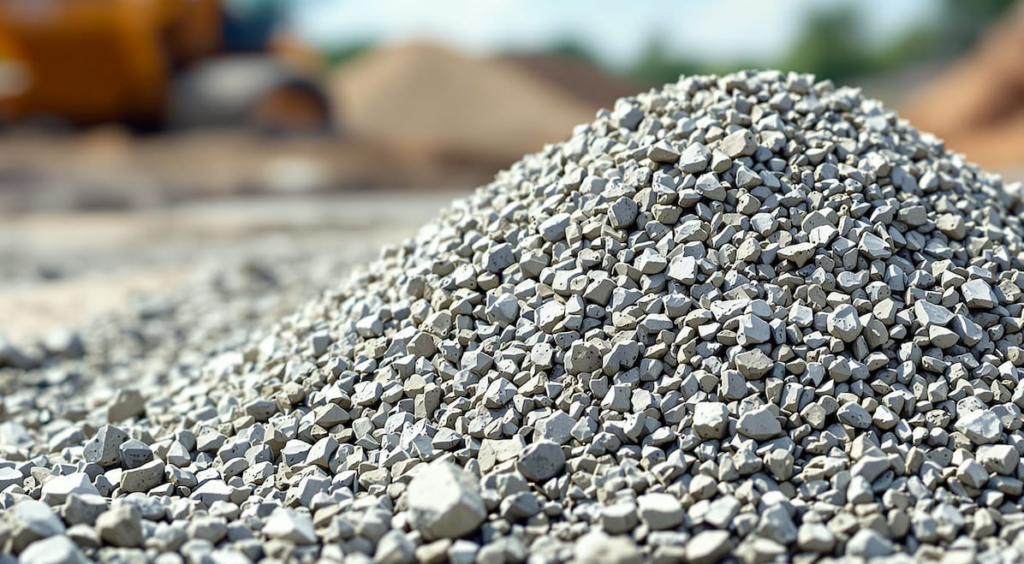
Concrete removal and demolition projects often leave contractors with heavy debris that can be expensive to haul away and dispose of. Instead of treating broken concrete as waste, many contractors are turning it into usable material for future construction needs. With the right process and equipment, such as a rock crusher, contractors can process old slabs, foundations, sidewalks, curbs, and pavement into aggregate that can be used for backfill, base material, and other job site applications.
Crushing concrete for backfill is a practical way to reduce waste, lower hauling costs, and get more value from materials already available on-site. It can also help contractors reduce dependency on aggregate suppliers, especially on projects where usable concrete debris is already part of the scope. When managed correctly, crushed concrete can support cleaner sites, better productivity, and stronger project margins.
Why Contractors Crush Concrete
Concrete is one of the most common materials found on demolition, roadwork, renovation, and site preparation projects. It is also one of the heaviest and most expensive materials to move. Every truckload of concrete sent off-site can add costs for loading, hauling, fuel, labor, and disposal fees.
By crushing concrete, contractors can turn bulky debris into recycled concrete aggregate that may be reused on the same project or saved for future work. This creates savings in two ways. First, contractors reduce the amount of material that must be hauled away. Second, they may reduce the amount of new aggregate they need to purchase.
Concrete crushing for contractors is especially useful on projects involving:
- Building demolition
- Sidewalk and curb removal
- Driveway replacement
- Parking lot removal
- Road and bridge work
- Foundation removal
- Utility trenching
- Site preparation
When concrete debris is clean and properly processed, it can become a valuable job site resource instead of a disposal problem.
What Is Crushed Concrete Base Material?
Crushed concrete base material is made by breaking old concrete into smaller pieces that can be used beneath roads, driveways, parking lots, slabs, and other surfaces. Depending on the project, it may be used as a sub-base, base layer, fill material, or stabilization layer.
The size and quality of the crushed material matter. Some projects may require a specific gradation, while others may allow a broader mix of particle sizes. Screening may be used after crushing to separate the material into different sizes and remove fines or oversized pieces.
Crushed concrete base material can be useful because it compacts well, provides a stable surface, and helps reduce the need for virgin aggregate. However, contractors should always confirm that the material meets project specifications and local requirements before using it in structural or engineered applications.
Using Crushed Concrete for Backfill
Backfill is material placed back into an excavated area after foundations, pipes, utilities, retaining walls, or other structures are installed. Crushing concrete for backfill can be a smart option when the project produces clean concrete debris and the finished material meets the needs of the application.
Crushed concrete may be used for backfill around trenches, utilities, retaining structures, low areas, or general site grading. It can provide stability and help reduce material costs. In some cases, it can also improve drainage compared with certain soil types.
However, not every backfill application is the same. Contractors should consider compaction requirements, drainage needs, load-bearing expectations, and the potential for settlement. If the backfill is being placed near utilities, foundations, or engineered structures, project specifications should be followed carefully.
The best results come from using properly sized, clean material that is placed and compacted in lifts.
Benefits of Recycled Concrete Aggregate
Recycled concrete aggregate offers several benefits for contractors who want to reduce waste and improve project efficiency. It helps keep concrete debris out of landfills, reduces hauling needs, and gives contractors a useful alternative to purchased aggregate.
Key benefits include:
- Lower disposal costs
- Reduced hauling expenses
- Less need for virgin aggregate
- Improved job site material reuse
- Cleaner and more organized sites
- Support for sustainable construction practices
- Better control over material availability
Recycled concrete aggregate can be especially valuable when aggregate suppliers are far away, delivery costs are high, or project schedules are tight. Instead of waiting for material deliveries, contractors may be able to process and stockpile usable material directly on-site.
How a Mobile Jaw Crusher Supports Concrete Recycling
A mobile jaw crusher for concrete recycling is commonly used to process concrete debris at demolition and construction sites. Jaw crushers are designed to handle hard, bulky materials, making them a strong choice for broken slabs, foundations, curbs, sidewalks, and pavement.
A jaw crusher works by compressing concrete between a fixed jaw and a moving jaw until the material breaks into smaller pieces. The crushed material can then be stockpiled, screened, or used as needed.
For contractors, mobile equipment adds flexibility. A crusher can be brought directly to the site, reducing the need to haul heavy concrete to an off-site recycling facility. This can save time, reduce truck traffic, and make cleanup more efficient.
When paired with excavators, loaders, magnets, and screeners, a mobile crushing setup can turn concrete waste into a consistent supply of reusable aggregate.
Preparing Concrete Before Crushing
To produce better material, contractors should prepare concrete before crushing. Clean, sorted concrete is easier to process and results in higher-quality aggregate.
Before crushing, contractors should remove or separate:
- Wood
- Plastic
- Trash
- Soil
- Excessive asphalt contamination
- Large metal pieces
- Non-crushable debris
Rebar and wire mesh are common in concrete debris. Many crushing setups use magnets to help remove metal during or after processing. Removing metal improves material quality and reduces the risk of problems during reuse.
Oversized concrete pieces may also need to be broken down before entering the crusher. Hydraulic breakers, pulverizers, or excavators can help reduce large slabs into manageable sizes.
Important Material Quality Considerations
Crushed concrete can be highly useful, but contractors should pay attention to quality. The intended use should guide how the material is processed.
Important factors include:
- Material size
- Cleanliness
- Gradation
- Moisture content
- Compaction performance
- Presence of metal or debris
- Drainage characteristics
- Local project specifications
For base material, consistency is especially important. A well-graded material can compact better and provide a more stable surface. For backfill, contractors should consider whether the material drains properly and whether it will compact without excessive settlement.
If the project has engineering requirements, recycled material should be tested or approved before use.
Reducing Costs With On-Site Concrete Crushing
One of the biggest advantages of concrete crushing for contractors is cost control. Hauling concrete away and buying new aggregate can be expensive. Crushing material on-site can reduce both expenses.
On-site processing can help contractors:
- Reduce outbound truckloads
- Lower disposal fees
- Decrease aggregate purchases
- Avoid delivery delays
- Keep material available for immediate use
- Improve cleanup speed
These savings can make a major difference on demolition, roadwork, and site preparation projects. Contractors who regularly handle concrete debris may find that crushing and reusing material becomes a major competitive advantage.
Best Uses for Crushed Concrete
Crushed concrete can be used in many practical construction applications, depending on quality and local requirements. Common uses include:
- Road base
- Driveway base
- Parking lot sub-base
- Trench backfill
- General fill
- Temporary access roads
- Drainage layers
- Site stabilization
- Utility work support
Contractors should always match the material to the application. Some uses require strict sizing or compaction standards, while others may allow more flexibility.
Final Thoughts
Crushing concrete for backfill and base material helps contractors turn demolition debris into a useful resource. Instead of paying to remove old concrete and purchase new aggregate, contractors can process concrete on-site and reuse it for practical construction applications.
Crushed concrete base material and recycled concrete aggregate can help reduce costs, improve site efficiency, and support more sustainable construction practices. With the right planning, sorting, crushing, and screening process, concrete crushing for contractors can become a valuable part of project delivery.
A mobile jaw crusher for concrete recycling can make the process even more efficient by allowing contractors to process material directly where it is generated. For contractors looking to reduce waste, control costs, and get more value from every job, crushed concrete can be a smart solution for backfill, base material, and more.